usX9CeWgJDH2
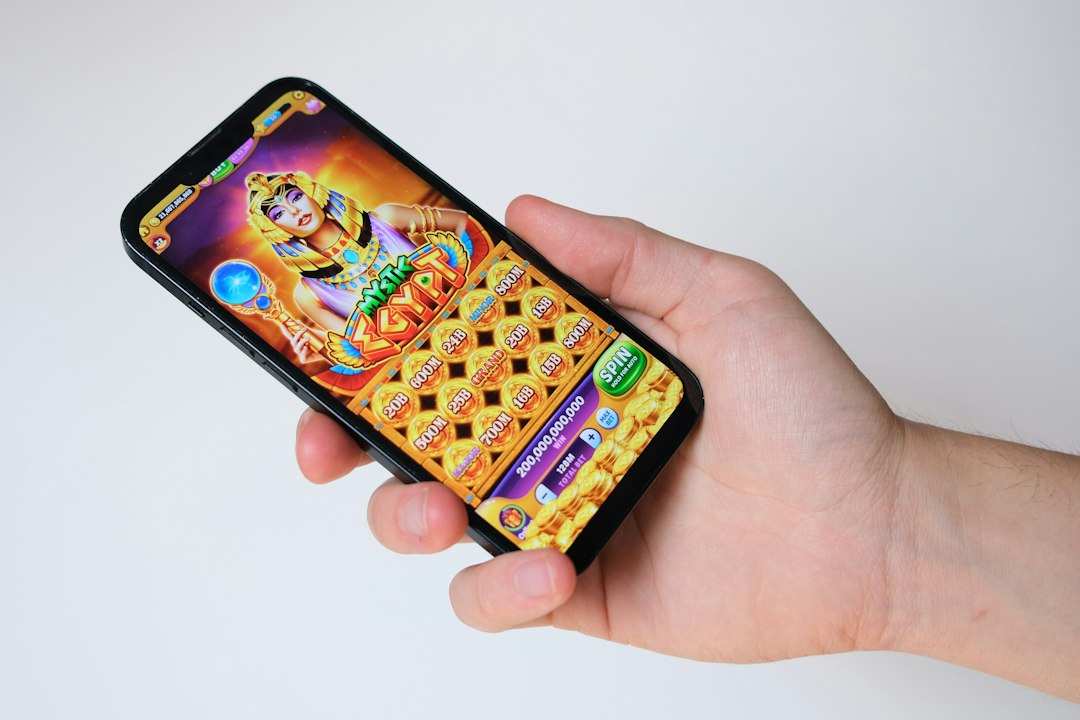
Loot boxes and other paid random-reward features are once again at the centre of a policy debate about the boundary between video games and gambling. The question is not whether every surprise reward turns a game into a casino. It is whether players, especially younger users, can clearly understand what they are buying, the odds of receiving a particular item and the amount they may spend while chasing a result.
The European Union’s proposed Digital Fairness Act has brought this issue into sharper focus. The draft discussed in November 2026 addresses paid variable-reward systems and suggests measures such as disclosing available items and probabilities before purchase, providing accessible ways to switch features off and applying protections where minors are involved. The proposal still needs to pass through the EU legislative process.
Why random rewards feel different from ordinary purchases
When a player buys a specific costume, expansion or character, the product is known before payment. A randomised purchase is different: the player pays first and discovers the result afterward. The reward may be common, rare or unavailable in that particular purchase.
That uncertainty can be part of the entertainment. It can also make it harder to judge value, particularly when the game uses virtual currency rather than showing a direct price in ordinary money. A player may buy a bundle of tokens, spend some of them on repeated attempts and lose track of the total amount spent.
Limited-time events and animated reward reveals can add urgency. If a player believes an item may disappear soon, they may feel pressure to make another purchase before thinking through the cost. These design choices do not prove that every player will experience harm, but they make transparent information and spending controls important.
The importance of clear probability information
Odds are useful only when they are presented in a way that people can understand. A disclosure hidden behind several menus or written in technical language may not help a player make an informed decision. A clear system should explain the chance of receiving each category of reward before the transaction, including whether probabilities differ between items or change during an event.
Where probabilities are dynamic, the explanation should say so. Where duplicate items are possible, users should be told what happens when they receive something they already own. The total price should also be visible in real-world currency, not only in a token balance that makes spending feel abstract.
Why age safeguards matter
Children and teenagers may have less experience assessing probability, marketing pressure and cumulative spending. Age assurance, parental controls and default settings can reduce exposure, but no single measure is perfect. Platforms should make purchase controls easy to find and provide parents with understandable information about spending options.
Developers should also consider whether a game’s audience includes minors even when the product is not explicitly marketed to children. The EU draft highlights the importance of how a product is targeted and whether a provider knows that minors are using it. The final legal standard will depend on the text adopted by lawmakers.
What responsible design can look like
Better design does not necessarily mean removing every random reward. It can mean offering a direct-purchase alternative, showing the real-money cost at the point of sale, allowing users to disable paid random rewards and providing spending summaries. Cooling-off prompts can help when someone makes repeated purchases in a short period.
Independent testing can also improve confidence that published probabilities are accurate. Clear complaint channels and refund policies matter when a purchase fails or a player believes a disclosure was misleading.
What players and families can do now
Before buying a random reward, check the probability information and calculate the total cost in ordinary currency. Set a spending limit before opening the game, and avoid chasing a particular item after several unsuccessful attempts. Parents can review payment settings, disable one-click purchases and discuss the difference between a guaranteed purchase and a chance-based reward.
For developers, the current debate is a reminder that consumer trust is part of product quality. Players should not need to search for basic information about odds, prices or controls. The more transparent the system, the easier it is for people to decide whether they want to participate.
A proposal, not a final rule
The Digital Fairness Act remains a proposal and could change during negotiations between EU institutions. Existing national rules also differ, and some game mechanics may be treated differently depending on whether rewards can be transferred, sold or converted into money. Companies should seek jurisdiction-specific legal advice rather than assume one definition applies everywhere.
The direction of the debate, however, is increasingly clear: digital entertainment products that use paid chance-based mechanics are likely to face closer scrutiny over transparency, age protection and user control.
Sources: iGaming Licensing, 13 November 2026; Responsible Gambling Council.
Spend only what you can afford to lose. If gaming purchases or gambling are becoming difficult to control, pause and seek independent support.